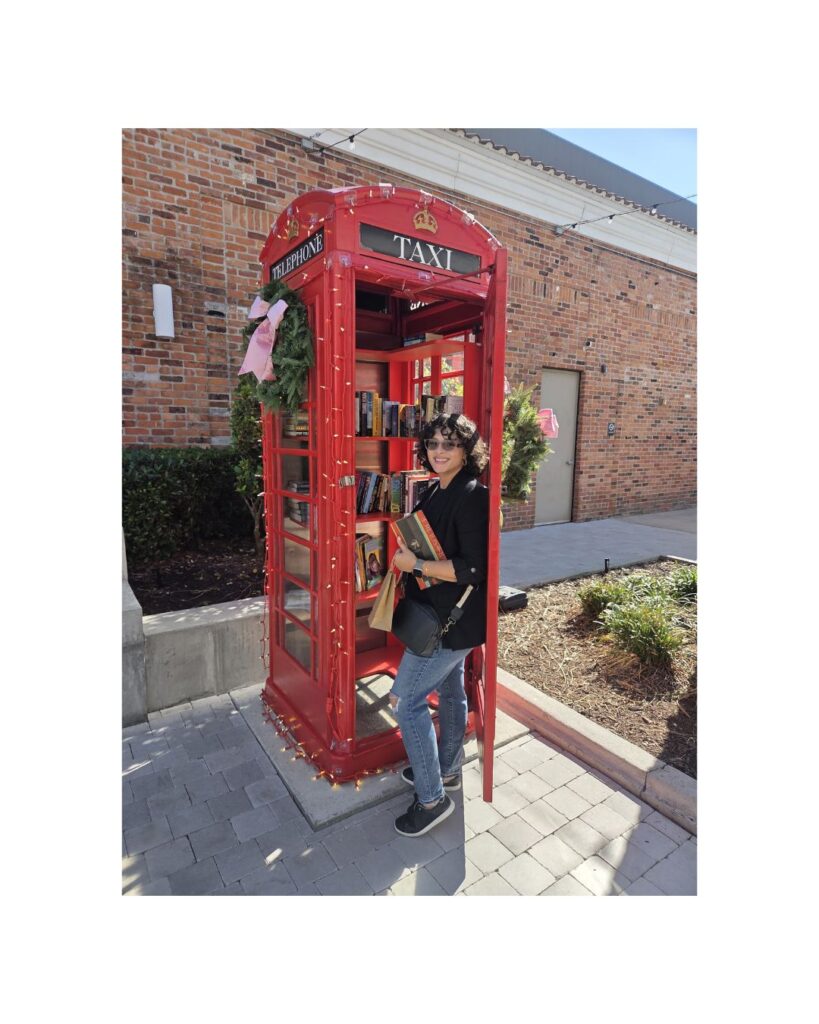
Hello! I am so glad you’re here. As I step into this new season of my practice, I wanted to take a moment to reintroduce myself to those of you seeking a space where you can finally be seen. I am Daiana Bernard, a Licensed Mental Health Counselor (LMHC) dedicated to working with individuals who are navigating the heavy, often invisible weights of unacknowledged grief and minimized trauma. In a world that often tells us to “just move on,” I believe in the power of connection and deep understanding before we ever jump into strategies. My approach is rooted in a cultural lens that honors the complexity of your background, especially for those navigating the unique 1st-generation experience. This often looks like “non-death grief”, the mourning of a homeland you never lived in, the loss of the “ideal” child your parents imagined, or the silent trauma of having your emotional needs minimized because your family was in “survival mode.”
As a trauma-informed therapist, I operate from the understanding that your past experiences have shaped your nervous system and your view of the world; being “trauma-informed” means I don’t ask “what is wrong with you,” but rather “what happened to you,” and “how did you survive?” My goal is never to change the essence of who you are, but to support you in becoming the most authentic version of yourself. I value integrity in identity and aligning your life with your true values, rather than the expectations of others. Together, we look at how you inherently function to find the coping skills that already exist within you. However, this healing journey requires your commitment. It asks you to prioritize yourself, sometimes for the first time and to embrace the discomfort of reflection and accountability.
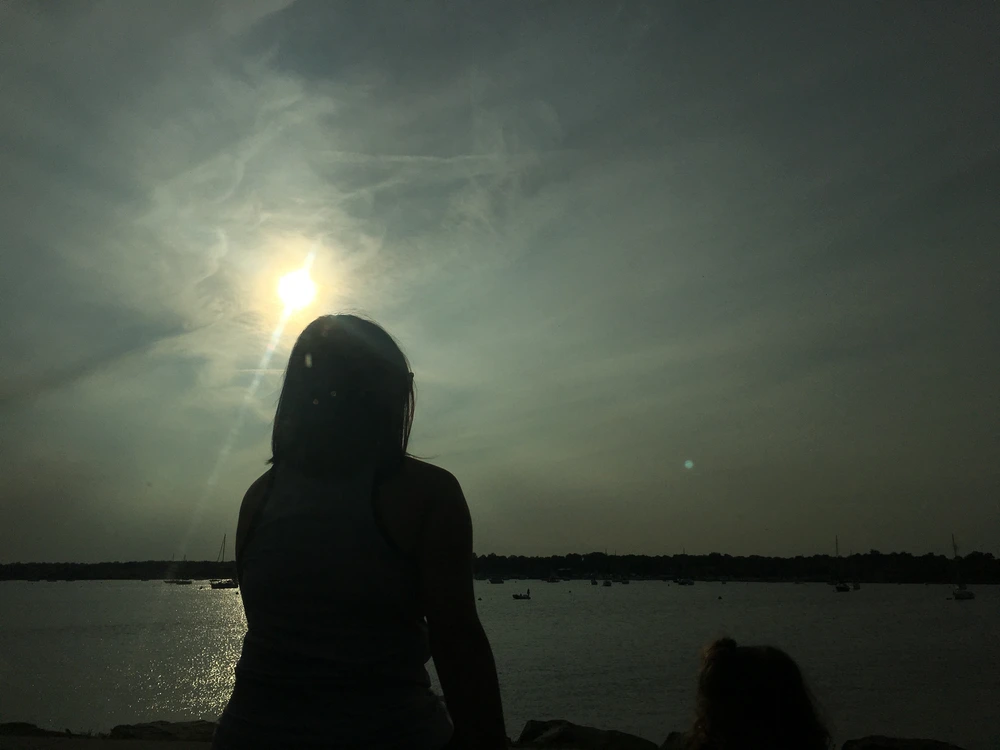
I truly love being a counselor for adults, but I am also a human and taking care of my own mental health is non-negotiable for me. When I’m not with my clients, I’m spending time with my family. My amazing husband and kids challenge me and inspire me to be a better person every day. Lately, I’ve been leaning into quality time with them, whether we’re playing the piano, working on puzzles, dancing, or enjoying musical theater. I also find so much peace in nature, especially whenever I’m near the ocean. These outlets are vital to my own well-being, especially as I continue to navigate the personal intersections of being neurodivergent within a culture that often praises marianismo, a traditional cultural script that expects women to be self-sacrificing, hyper-feminine, and the emotional pillars of the family at the expense of their own needs. I know firsthand the struggle of learning not just to put yourself first, but to simply count yourself in when making decisions, even if it means disappointing others. I understand the bicultural journey of figuring out who you are without a safety net and how lonely it can feel to bridge the gap between mental health needs and traditional family values.
My dedication to this work extends beyond the therapy room through The Living Loss Podcast, which I co-host. It has been such a fulfilling way to spread the message that silent, unacknowledged grief is real grief, and it profoundly impacts your quality of life and who you believe you are. You can listen anywhere you get your podcasts!
My priority is always your best interest; if we find that I am not the right counselor for your specific needs, I am fully committed to helping you find a therapist who is. If you are ready to begin this work, please reach out to me at [email protected]. If you have topic ideas for the podcast, a story to share, or a question about non-death grief, I would love to hear from you at [email protected]. You don’t have to carry the invisible alone anymore.
Individual Therapy
Grief & Loss
My work focuses on the grief that goes beyond death. I help individuals process the profound and often silent sorrow of:
Estrangement: The quiet pain of family cut-offs or deeply strained relationships.
Failed Expectations: Mourning the future you envisioned for your career, a relationship, or your life that didn’t come to pass.
Significant Transitions: The loss of your past self due to major life events like a career change, a new family role, or moving to a new city.
Unspoken Burdens: The cumulative emotional toll of always being the “strong one” for your family or community.
Cultural Identity
Living between two worlds can create profound identity conflicts. I provide a safe space to explore the internal push-and-pull of:
-
Cultural Dissonance: Feeling disconnected from your heritage, a faith community, or traditional values, leaving you feeling like you don’t fully belong anywhere.
-
The “Good Kid” Paradigm: Grappling with the weight of generational expectations and the guilt that comes with setting boundaries or living a life on your own terms.
-
Authenticity vs. Obligation: The struggle to define your true self separate from the roles and responsibilities your family or culture has placed on you.
Experiences
The unresolved grief and identity struggles you carry often manifest in tangible ways. I help individuals address common experiences like:
-
Burnout: The physical and emotional exhaustion from constantly pushing through without addressing underlying pain.
-
People-Pleasing: The inability to say “no” or set boundaries, fueled by a deep-seated fear of disapproval.
-
Anxiety & Overwhelm: Persistent feelings of worry and emotional overload that can interfere with your daily life.
-
Relational Strain: Navigating communication issues, resentment, and a lack of connection in relationships with family, friends, or a partner.
Vicarious Trauma
The emotional strain of absorbing trauma from the world around you. I help individuals process the cumulative impact of:
- Empathy Fatigue: The emotional exhaustion that comes from deeply caring about and absorbing the pain of friends, family, or your community.
- Digital Overload: The emotional toll of constant exposure to difficult news, tragic events, or social injustice on the internet and social media.
- Witnessing Trauma: The profound effect of hearing a loved one’s difficult story or seeing others experience pain without it happening directly to you.
- Unspoken Burdens: The invisible weight of always being the “strong one” for others and holding space for their pain.
Learn more about Meaningful Therapy Services in Florida.

When Grief Isn’t About Death: Navigating the Losses No One Talks About.
When life feels like a constant cycle of emotional exhaustion, it can be difficult to imagine a path leading anywhere other than where you are right now. Many of the people I sit with describe feeling “stuck” in a painful emotional cycle, but that heaviness doesn’t always stem from a single, catastrophic event or a physical death. In fact, many of the most challenging burdens we carry are the ones that go unrecognized by the world around us. My practice is dedicated to helping you navigate “non-death grief” and the overwhelming strain of vicarious trauma, moving from a state of being overwhelmed to a life grounded in resilience and clarity.
Grief is too often narrowly defined, yet we frequently experience profound losses that stay unspoken. You may be navigating the quiet pain of family estrangement or mourning the “failed expectations” of a life, career, or relationship that didn’t turn out the way you envisioned. Even positive shifts, like moving to a new city or stepping into a new family role, come with the loss of your “past self.” These transitions, along with the cumulative toll of always being the “strong one” for your community, are significant forms of sorrow that deserve to be acknowledged and processed.
Beyond your own personal history, you may also be carrying the weight of the world around you. Vicarious trauma is the emotional strain of absorbing the pain of others, whether it’s through empathy fatigue from supporting loved ones or the digital overload of constant exposure to social injustice and tragic news. Witnessing a loved one’s struggle or holding space for their trauma carries an invisible price. By identifying these unspoken burdens, we can begin to untangle the exhaustion and reclaim your emotional well-being. Your story matters, and even the most silent sorrows can be transformed into a future grounded in meaning and hope.